

fullsoul runningpad
®
barely a shoe
fullsoul runningpad
®
Weniger Schuh geht nicht!
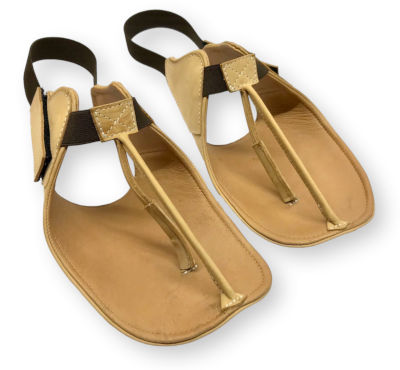
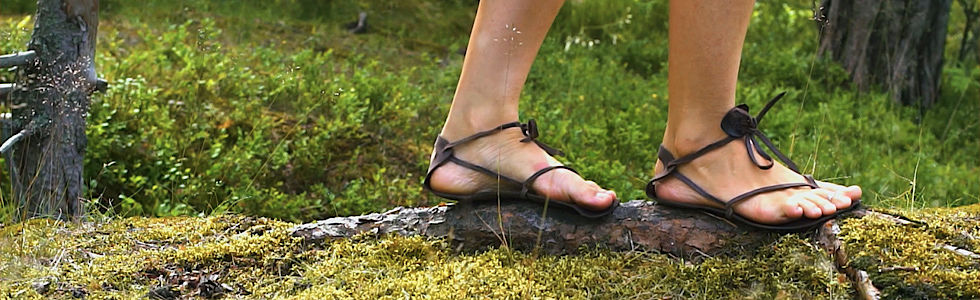
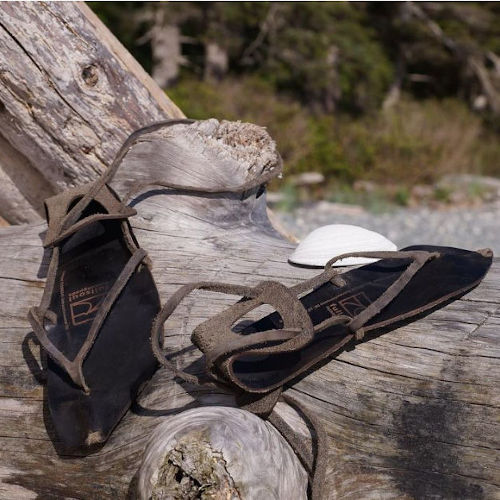
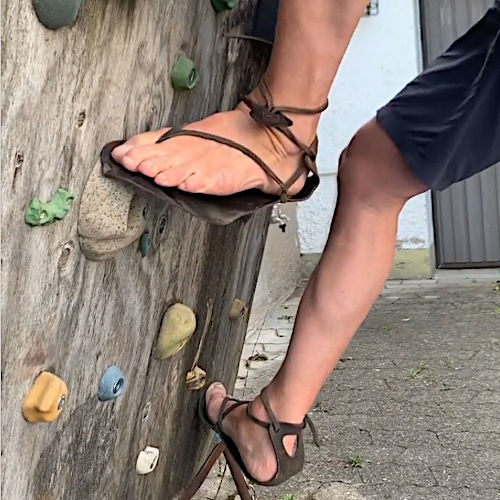
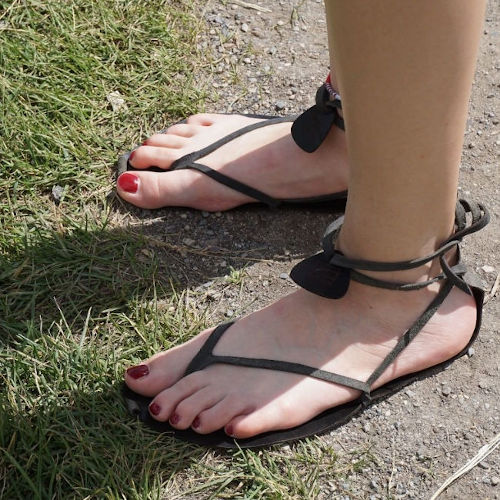
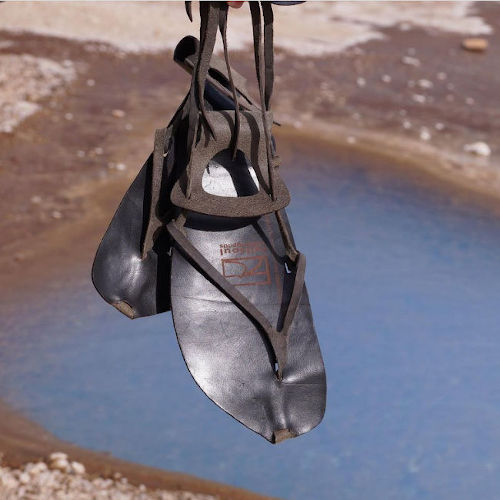
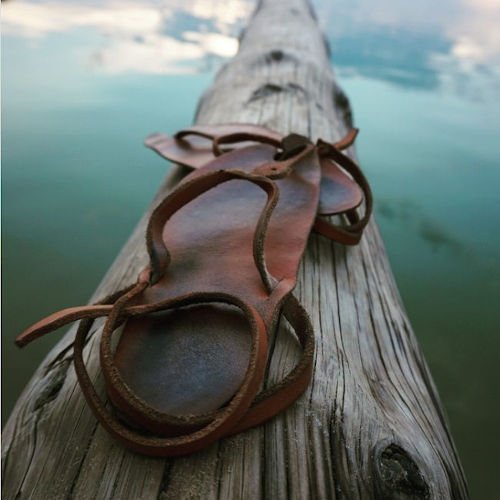
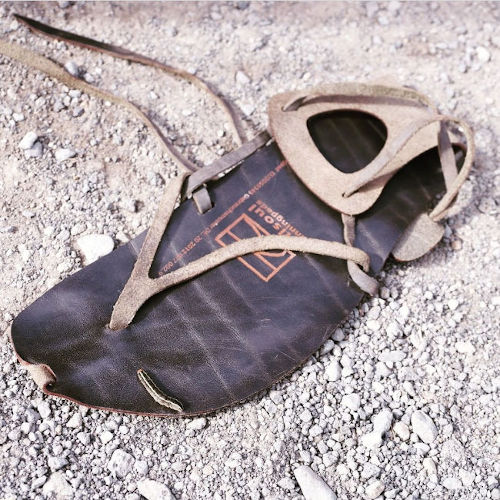
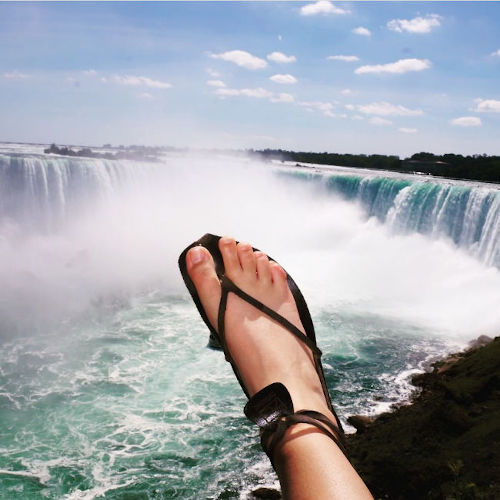
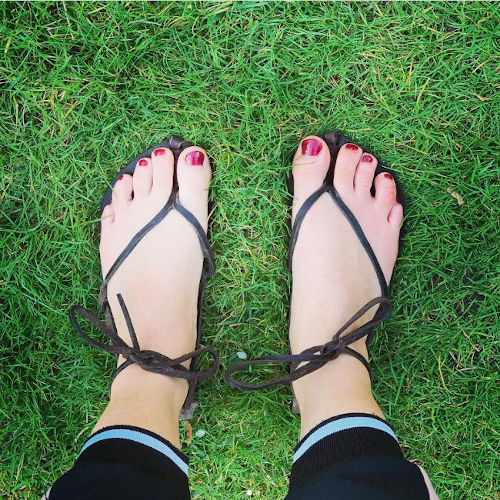
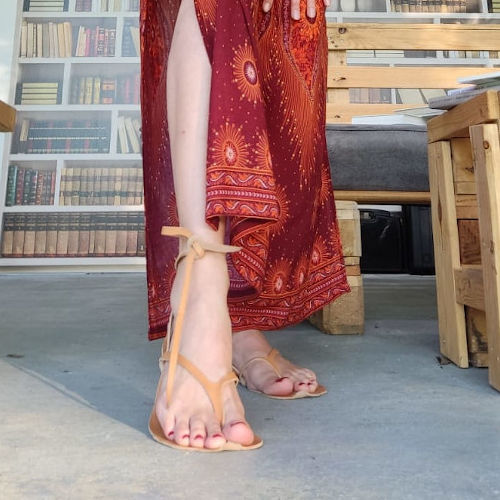
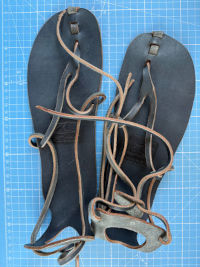
For all who love barefoot as the most original form of movement but want to avoid dirty soles, cuts and slanted looks! The fullsoul is an ultra minimalist and elegant "barefoot shoe", made from one piece of thin leather, no seams , no rivets , no glue . Through fine straps the leather sole nestles up against the foot like a second skin. Our sandals were invented by Prof. Dr. Martin Daumer and are crafted by master goldsmith and leather expert Barbara Ulsamer.
Standard
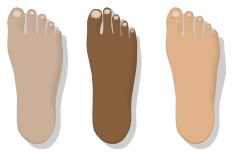
one cut fits all Price: 129€ + shipping incl. tax
Tailored
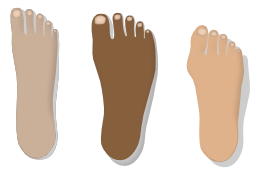
custom-made Price: 209€ + shipping incl. tax
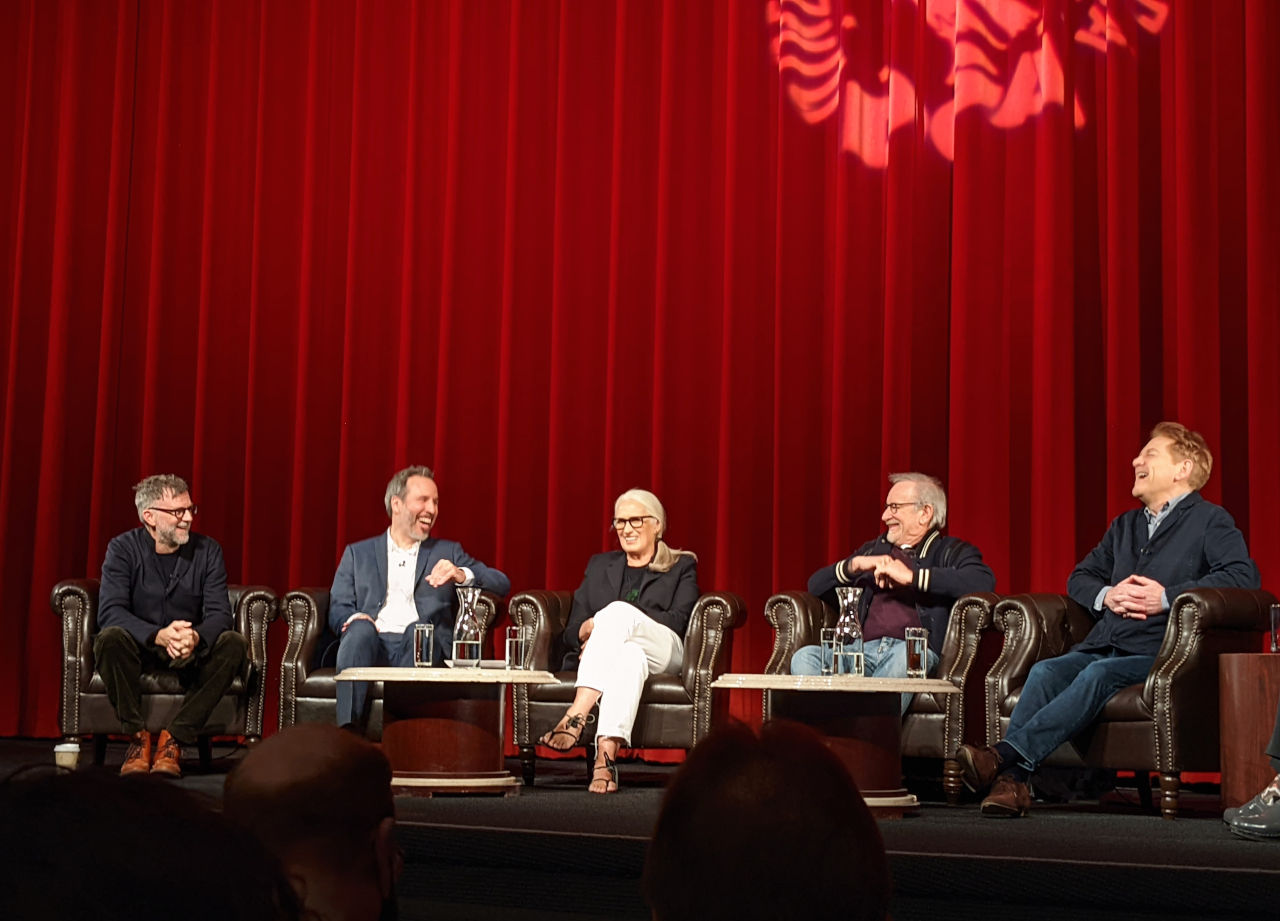
Jane Campion with her fullsouls, Paul Thomas Anderson, Denis Villeneuve, Steven Spielberg and Kenneth Branagh
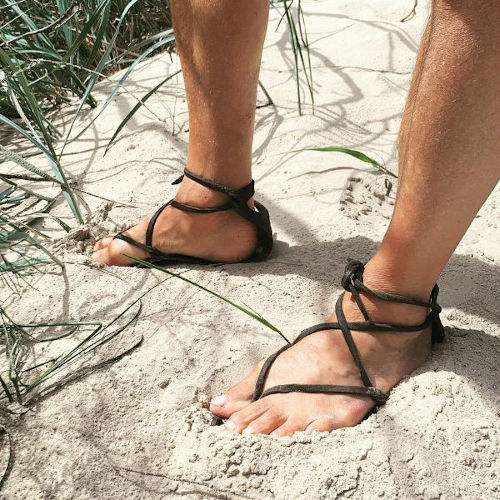
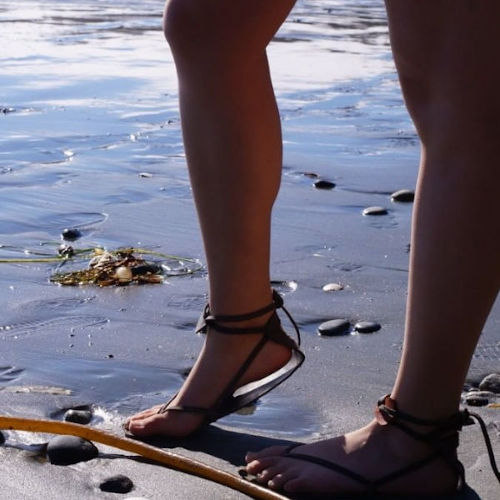
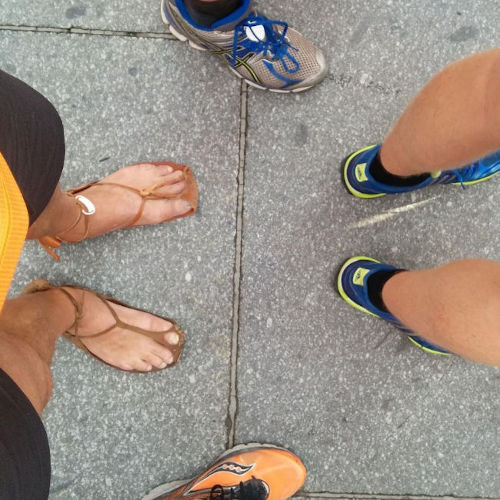
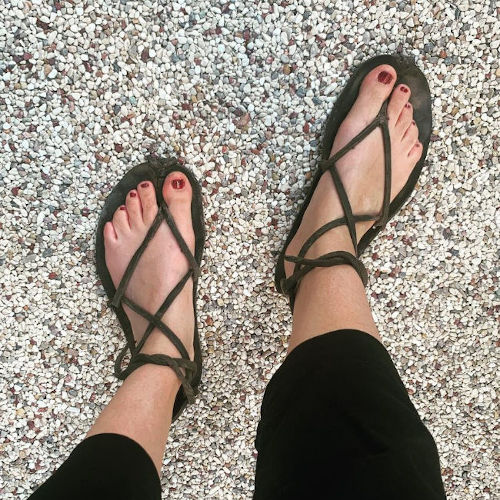
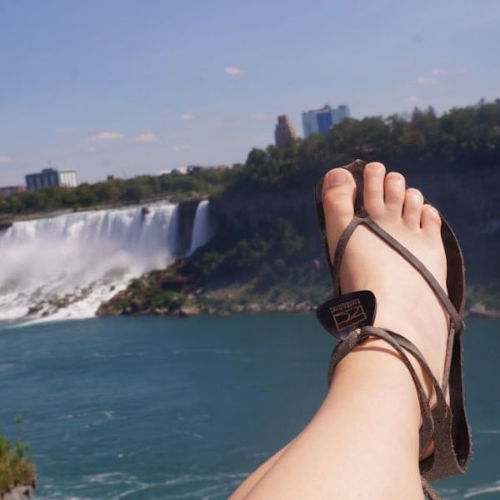
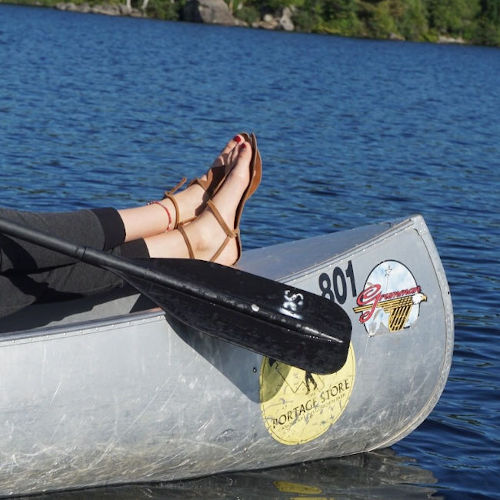
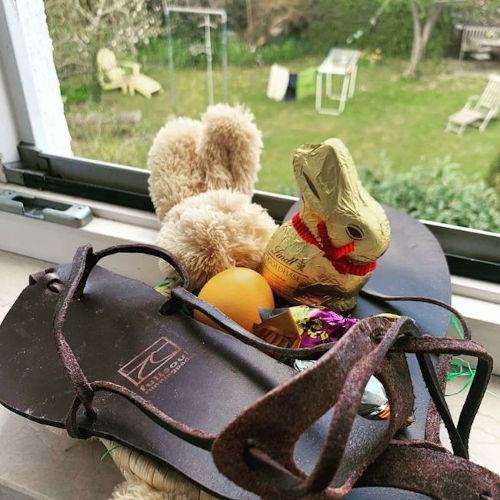
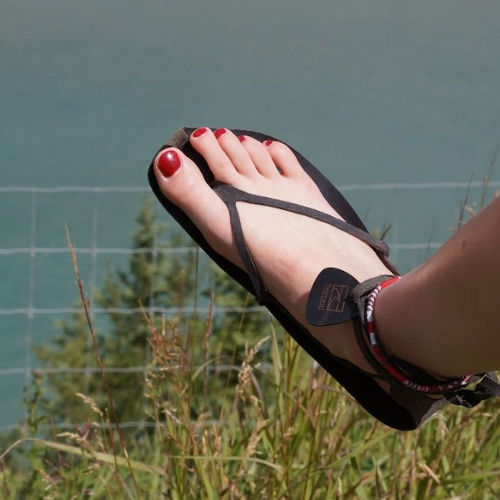
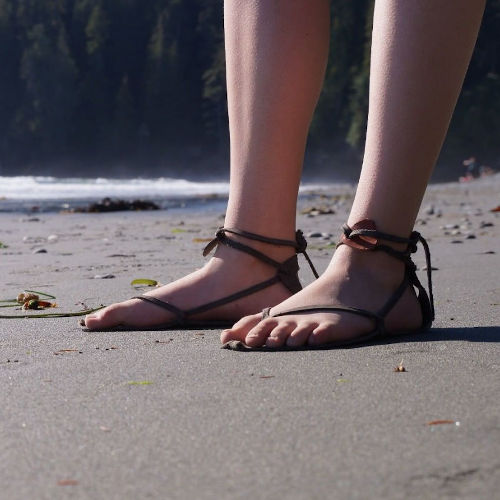
fullsoul runningpad and human motion
Each custom-made fullsoul runningpad is unique, made to fit the individual foot shape. The minimal shoe is cut out of one piece of thin, resistant cowhide (100% vegetable tanned) with a computer-controlled cutting plotter and finished by hand. It weighs ultralight 70 g with shoe size 43 EU (9 1/2 US) and medium leather thickness.



Warning: Running barefoot is different
Warnung: Barfußlaufen ist anders
You don't just want to go barefoot, but also want to run with
minimal shoes like the fullsoul runningpad? Please note: A too fast
change from the typical heel-heeled running style to forefoot /
midfoot running can lead to overstrain and serious injury. Muscles
and tendons need time to adapt! Sports physicians, physiotherapists
and orthopedists as well as suitable sources on the Internet advise
and support you in this process, e.g. on
your724.com
.
For more information on the topic refer to the an interview with Dr.
Martin Daumer on
foot-and-shoe.com
Our recommendation for barefoot running
Unsere Empfehlungen zum Barfußlaufen
Start with short running distances and pay attention to how the body
reacts. Then increase distances and speed very carefully. Also
inform yourself about forefoot/midfoot running and healthy
transition. You can find more orientation, information and
scientific findings on the net. Our own research results show that
during the transition phase the risk of running injuries is more
than tripled:
On the measurement of running
Study: Running Injuries of Shod vs. Minimal
Studie: Laufverletzungen bei "Beschlagen" vs. Minimal
Survey conducted in context of "On The Measurement of Running Style 1: Risks and Benefits in Transitioning To Barefoot/Minimal Footwear Running" M. Daumer PhD, C. Kleinmond PhD, C. Stolle MSC, C. Lederer PhD, M. Hilgers MD, M. Walther MD
Transition Experiences:
Many individuals reported a transition phase from traditional to
minimal footwear or barefoot running, noting improvements in
running form and a decrease in injuries. Transition times
varied, with some experiencing a few months to adapt fully.
Injuries and Recovery:
There was a significant emphasis on the reduction of
running-related injuries after switching to minimal footwear or
barefoot running. Common injuries like shin splints, IT Band
issues, and knee pain were mentioned as being alleviated
post-transition.
read more
Running Form and Efficiency:
Respondents frequently cited improvements in running form
and efficiency as major benefits of minimal footwear or
barefoot running. They noted that such running styles
promoted a more natural gait and foot strike, leading to
less strain on the body.
Challenges and Risks:
While many reported positive outcomes the transition period
was also marked by challenges, including the risk of injury
from too rapid a transition, and the need for a gradual
adaptation period to build strength in the feet and legs.
Personal Experiences and Recommendations:
Individuals shared personal stories of overcoming long-term
injuries and rediscovering the joy of running through
minimal footwear or barefoot running. They often recommended
a cautious and informed approach to those considering the
transition, emphasizing the importance of listening to one’s
body and gradually adapting to the new running style.
Motivations for Transition:
Motivations varied but often included dissatisfaction with
traditional running shoes due to injuries, curiosity, and
the influence of literature and community recommendations.
Some were inspired by the book "Born to Run," while others
sought to return to a more natural running form.
Overall Satisfaction:
The general consensus was positive, with many expressing
satisfaction with the switch to minimal footwear or barefoot
running, citing benefits such as fewer injuries, improved
running form, and a more enjoyable running experience.
Advice for Newcomers:
Seasoned minimal footwear and barefoot runners advised
newcomers to transition slowly and pay attention to their
bodies’ signals to avoid injuries. They recommended starting
with short distances and gradually increasing over time.
Demographics and Backgrounds:
The responses came from a wide range of ages and
backgrounds, with individuals sharing their journey from
traditional to minimal footwear or barefoot running over
various time frames and experiences.
Future Outlook:
Many respondents expressed a commitment to continue running
in minimal footwear or barefoot, citing the long-term health
and performance benefits they've experienced since making
the switch.

For more medical research on barefooting see also barefooters.org
Body Mass and Weekly Training Distance Influence the Pain and Injuries Experienced by Runners Using Minimalist Shoes
A Randomized Controlled Trial Joel T. Fuller,*y BSc, Dominic Thewlis,y PhD, Jonathan D. Buckley,y PhD, Nicholas A.T. Brown,z PhD, Joseph Hamill,§ PhD, and Margarita D. Tsiros,y PhD The study was performed at the University of South Australia, Adelaide, Australia
Background:
Minimalist shoes have been popularized as a safe alternative to
conventional running shoes. However, a paucity of research is
available investigating the longer-term safety of minimalist
shoes.
Purpose:
To compare running-related pain and injury between minimalist
and conventional shoes in trained runners and to inves- tigate
interactions between shoe type, body mass, and weekly training
distance.
read more
Study Design:
Randomized clinical trial; Level of evidence, 2.
Methods:
Sixty-one trained, habitual rearfoot footfall runners (mean
6 SD: body mass, 74.6 6 9.3 kg; weekly training distance, 25
6 14 km) were randomly allocated to either minimalist or
conventional shoes. Runners gradually increased the time
spent running in their allocated shoes over 26 weeks.
Running-related pain intensity was measured weekly by use of
100-mm visual analog scales. Time to first running-related
injury was also assessed.
Results:
Interactions were found between shoe type and weekly
training distance for weekly running-related pain; greater
pain was experienced with minimalist shoes (P \ .05), and
clinically meaningful increases (.10 mm) were noted when the
weekly training distance was more than 35 km/wk. Eleven of
30 runners sustained an injury in conventional shoes
compared with 16 of 31 runners in minimalist shoes (hazard
ratio, 1.64; 95% confidence interval, 0.63-4.27; P = .31). A
shoe 3 body mass interaction was found for time to first
running-related injury (P = .01). For runners using
minimalist shoes, relative to runners using conventional
shoes, the risk of sustaining an injury became more likely
with increasing body mass above 71.4 kg, and the risk was
moderately increased (hazard ratio, 2.00; 95% confidence
interval, 1.10-3.66; P = .02) for runners using minimalist
shoes who had a body mass of 85.7 kg.
Conclusions:
Runners should limit weekly training distance in minimalist
shoes to avoid running-related pain. Heavier runners are at
greater risk of injury when running in minimalist shoes.
Reviews
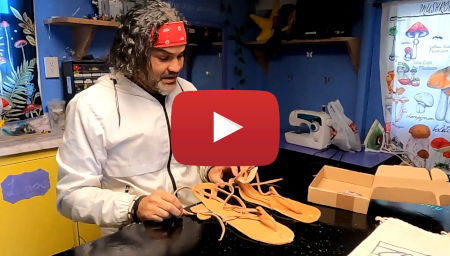
I really enjoy the thin materials to get the best feel ever from a barefoot shoe. My feet feel unrestricted and light. The pads feel like they are along for the ride instead of being strapped to my feet so I get to feel the breeze more along my foot bed. The pads handled great on the trails and the road. Minor leather folding at times but no issues to flatten back out. Traction didn't seem to be a problem likely because the foot flex better to contour the trail rather than a stiff sandle board that is forced to flex. They really make me feel barefoot and I love the style. I believe being well used and broken in that this will actually improve the look. The smooth side leather footbed has been the best feel so far of footbeds that I felt from abrasion.
watch the video

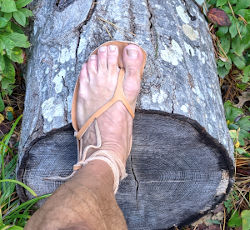
 Running Pads are definitely the most minimal sandal I've
ever worn. They weigh next to nothing and are so thin and
supple, it feels just like being barefoot. They can be
custom cut to the shape of your foot, or you can order a
preset sizing. These are more expensive than the others I
talk about here, but if you want a real barefoot feel these
sandals are for you. runningpad.de has been an official shop
for just a few months. They sell custom and preset sandals
that are made from one SINGLE piece of leather (that means
no seams to come undone). They are the lightest, most
minimal...
Running Pads are definitely the most minimal sandal I've
ever worn. They weigh next to nothing and are so thin and
supple, it feels just like being barefoot. They can be
custom cut to the shape of your foot, or you can order a
preset sizing. These are more expensive than the others I
talk about here, but if you want a real barefoot feel these
sandals are for you. runningpad.de has been an official shop
for just a few months. They sell custom and preset sandals
that are made from one SINGLE piece of leather (that means
no seams to come undone). They are the lightest, most
minimal...
FAQ


Prof. Dr. Martin Daumer
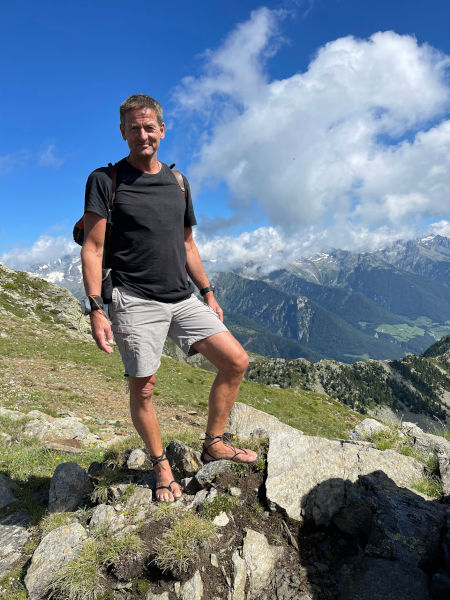
creator of the fullsoul runningpad®